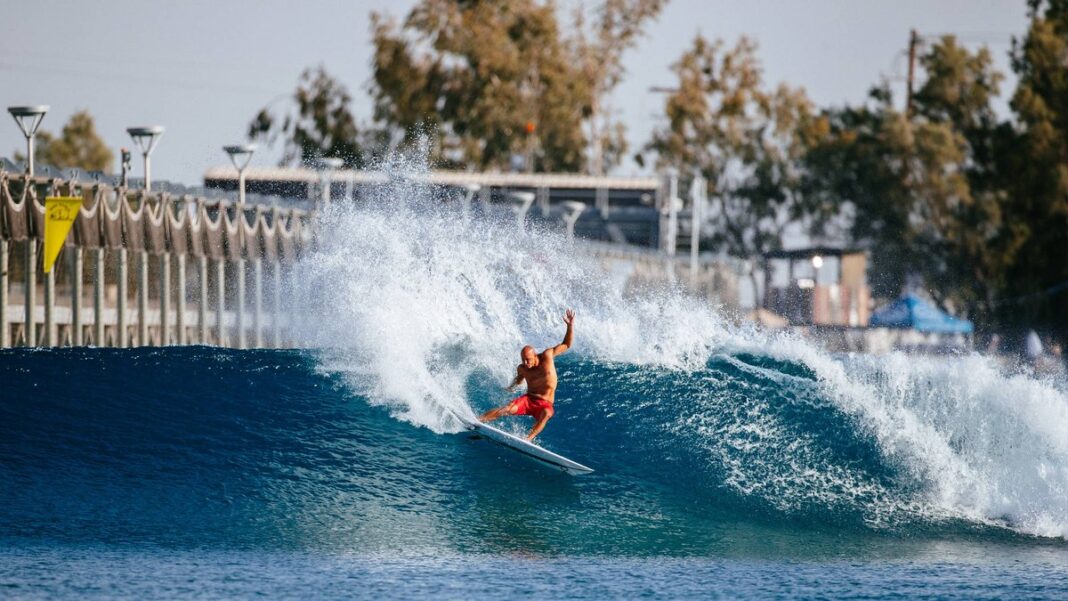


Five surf breaks account for a disproportionate share of the world's shark attacks on surfers, according to a compilation cross-referencing the Global Shark Attack File and the Florida Museum's International Shark Attack File. Réunion Island tops the list, with Esperance, Ballina, La Jolla and Second Beach close behind.
None of these breaks are places to write off. Each one draws surfers from around the world for the waves alone. But the clustering of bites at a handful of specific coastlines says something about seal colonies, river mouths and migratory routes that put great whites and bull sharks near the lineup more often than chance would suggest.
Esperance's grim decade
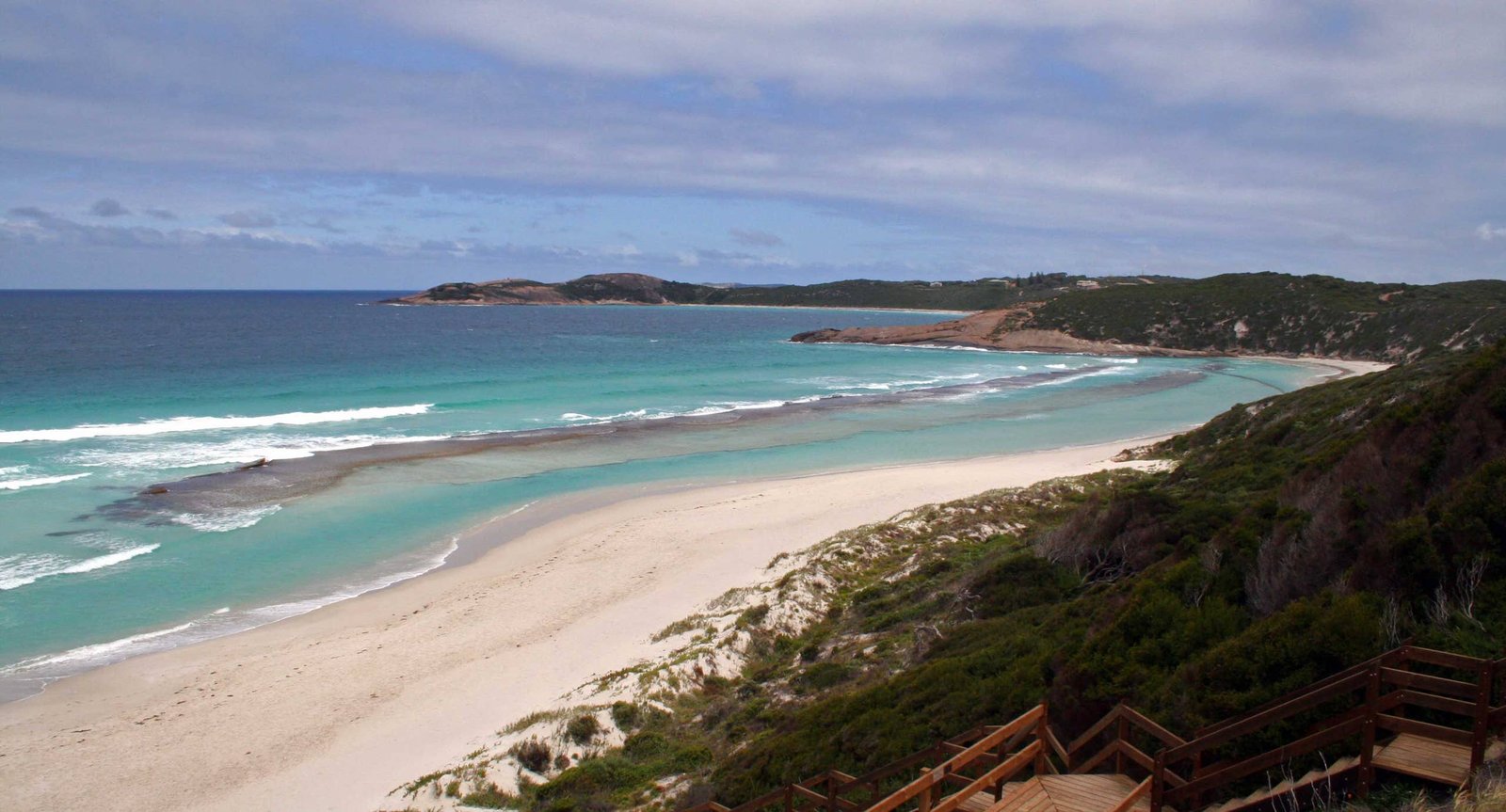
Esperance, on Western Australia's remote south coast, had gone more than a century without a shark fatality before a run of attacks began in the past decade.
Four fatal great white attacks have now been recorded there, accounting for four of the five fatal great white encounters logged across all of Western Australia over that ten-year stretch.
It's a stark reversal for a town whose beaches were, for generations, considered safely outside the state's shark hot zones.
Ballina's decade of drone patrols
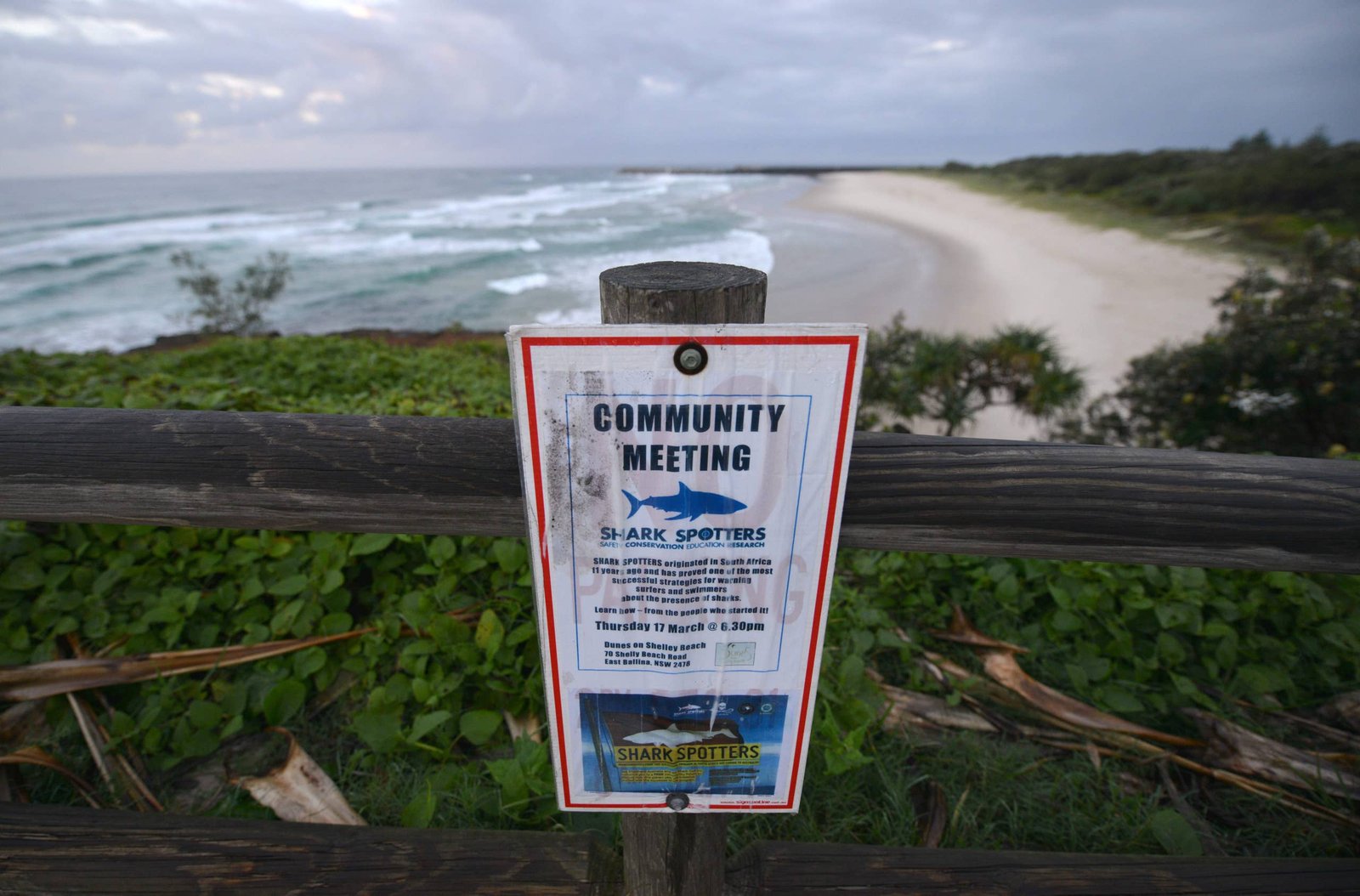
Ballina, on the New South Wales coast, has logged more great white encounters than almost anywhere else in Australia over the past ten years. Since 2015, its beaches have recorded 11 shark attacks, including one fatality, prompting local authorities to roll out drone patrols to spot sharks before surfers paddle into them.
The pattern hasn't slowed. A surfer was knocked from their board into the water by a shark near Ballina in January 2026. A 41-year-old man was reportedly killed by a shark near the town that July, though that account has not been independently verified.
One of the better-known incidents happened in 2016, when Lee Jonsson, then 43, was bumped from his board and bitten on the leg at Shelly Beach by an 8-foot great white. He punched the shark before realizing he'd been bitten, then swam to shore to raise the alarm.
La Jolla's marine reserve effect
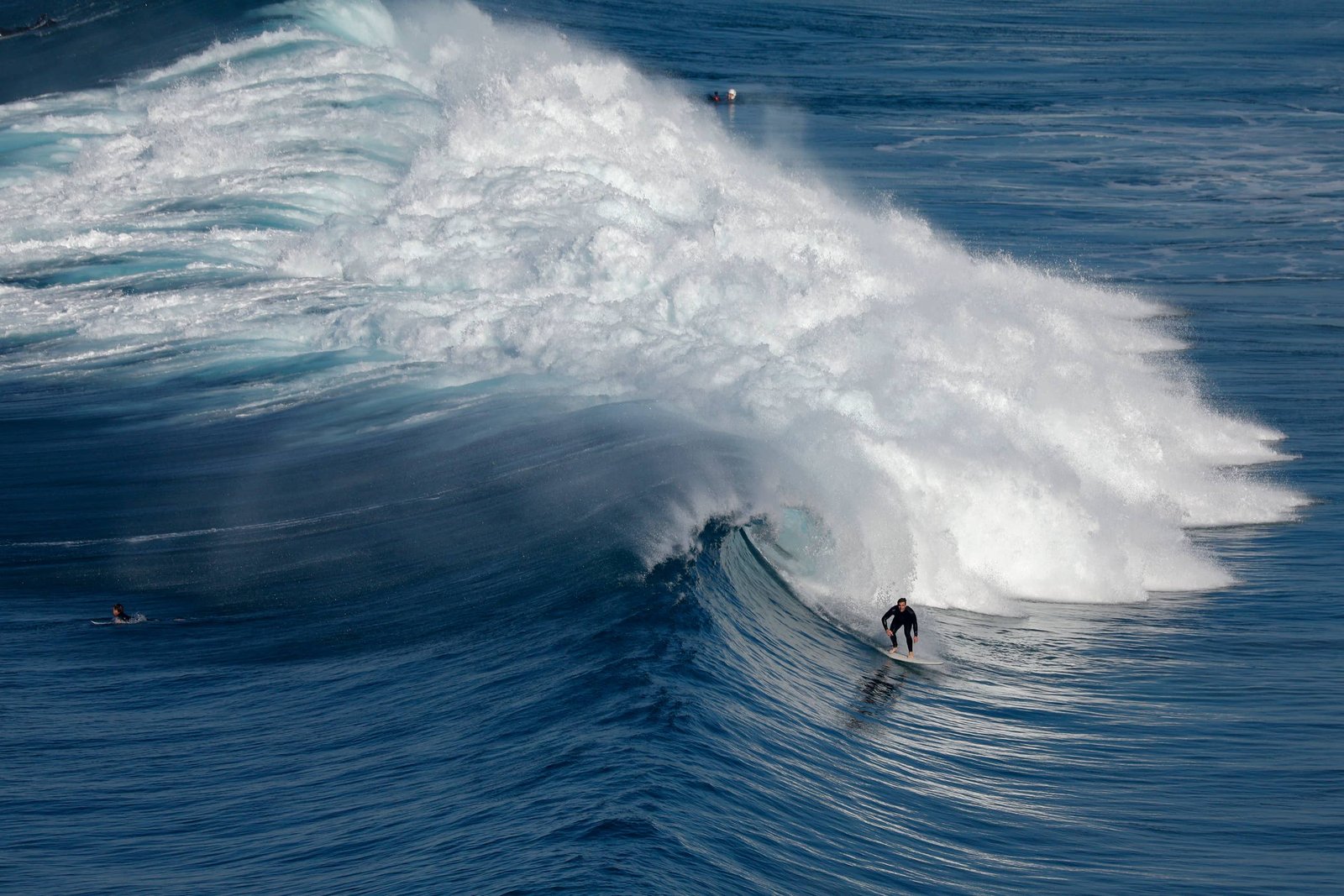
California has logged shark encounters up and down its coast, but La Jolla stands apart with 12 documented incidents, every one involving a great white.
Geography likely plays a role. La Jolla's waters sit inside the San Diego-La Jolla Underwater Park and Ecological Reserve, where fishing is banned. The result is an unusually dense marine food chain right off the lineup.
Researchers have tagged sharks in the area to track movement patterns and figure out why La Jolla draws so much more activity than nearby breaks.
Second Beach's unexplained cluster
The smallest death toll on this list belongs to Second Beach at Port St Johns, on South Africa's Wild Coast. It might also be the hardest to explain.
Since official tracking began there in January 2007, the beach has recorded eight fatal shark attacks, a cluster that unfolded over roughly five years despite the beach having gone nearly 110 years without a recorded attack beforehand, according to Safe Coastal Tourism.
Bull sharks breed near the nearby Umzimvubu River mouth, a possible contributor to the spike, though scientists still haven't fully explained the run of incidents.
Mitigation is harder here than elsewhere in South Africa. Traditional shark nets and baited hooks used at other beaches along the coast can't be deployed at Second Beach because of the large swells that regularly run through the area.
"There will be significant revenue loss, but we believe one human life is worth more than any money."
Nonceba Madikizela, a Port St Johns town spokesperson, said that after the beach's eighth fatal attack, according to ABC News.
Réunion's shark crisis and its aftermath
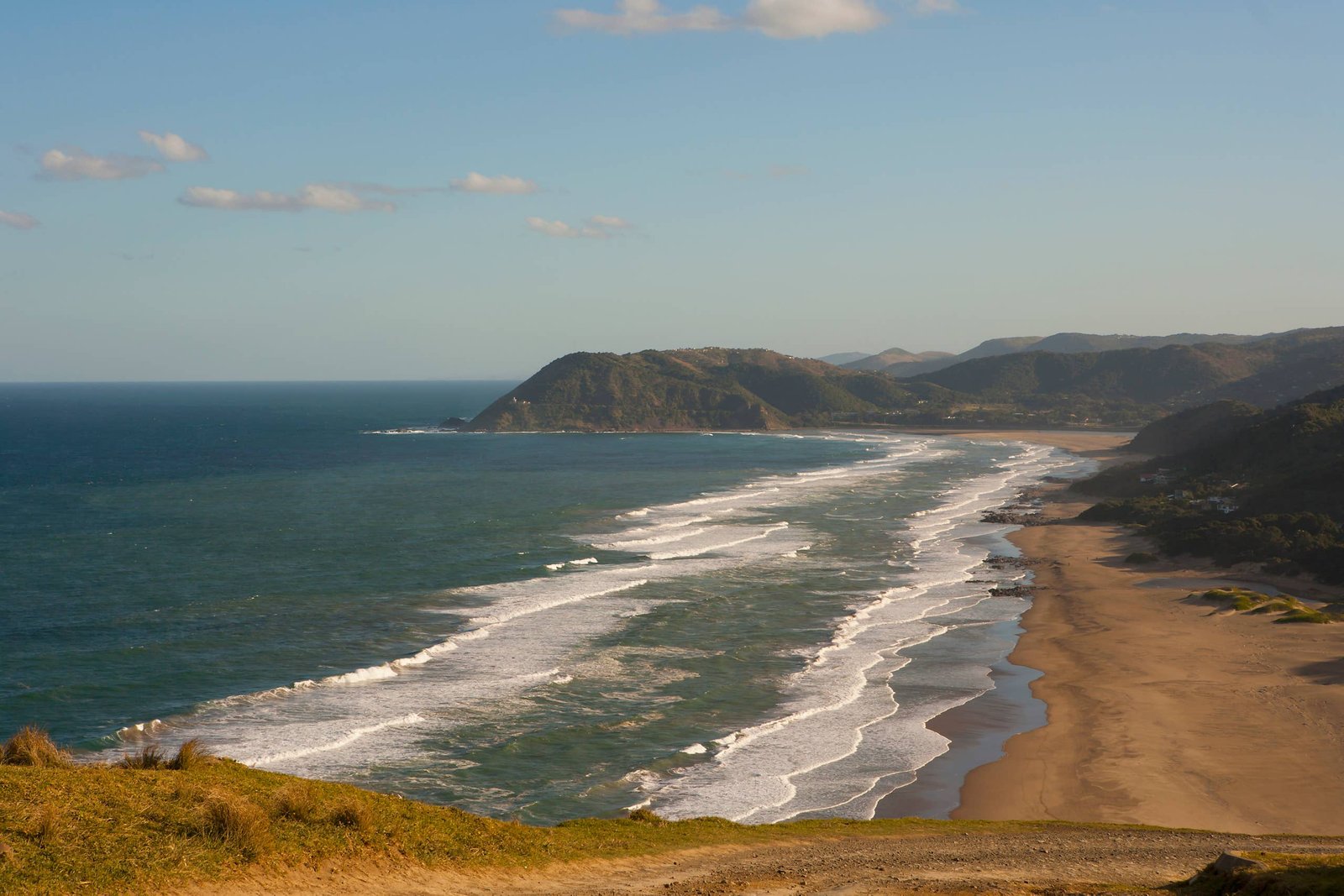
No coastline on this list carries more statistical weight than Réunion Island. Since 1913, the French Indian Ocean island has recorded 56 shark attacks, with 28 counted as fatal, though Wikipedia's tally as of late 2018 puts the fatal count at 27, a small discrepancy likely tied to differing update timelines.
A 2015 study found Réunion had the highest shark-death rate per capita anywhere in the world, at roughly 3.15 deaths per one million people.
Between 2011 and 2019, the island recorded 30 attacks, 11 of them fatal, a stretch known as its "shark crisis" that accounted for about 18.5% of the world's fatal shark attacks during that period.
The last of those fatalities came on May 9, 2019, when 28-year-old surfer Kim Mahbouli was killed at Saint-Leu. No fatal attack has been recorded on Réunion since.
"It's now been 6 years since the last known fatal attack off Réunion, which took the life of surfer Kim Mahbouli in 2019."
That's according to a Science.org report on how the island turned its crisis into a hub for shark research.
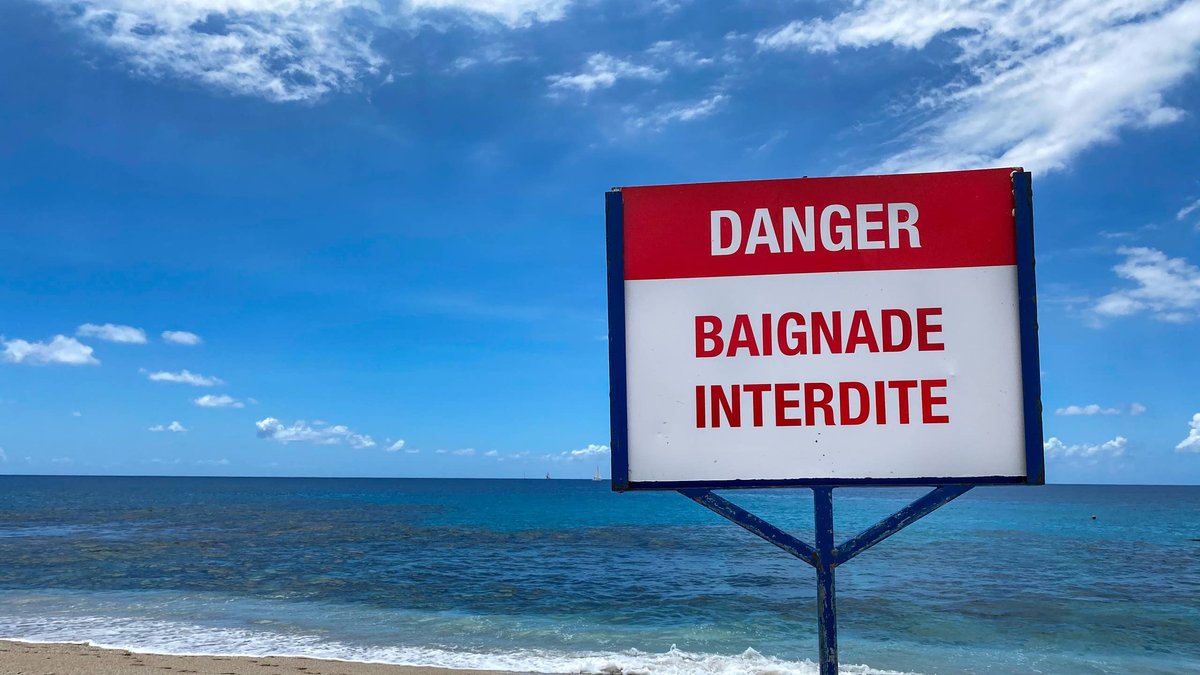
Officials responded by banning surfing and swimming outside designated zones, a rule still in force today even as protected surf areas have reopened using shark-detection and deterrent technology. The island has still produced elite talent, including Jeremy Flores and Johanne Defay, whom Flores backed financially early in her career.
The odds still stay long
Shark encounters involving surfers happen at a small number of specific beaches, shaped by seal colonies, river mouths and marine reserves that concentrate prey near the lineup.
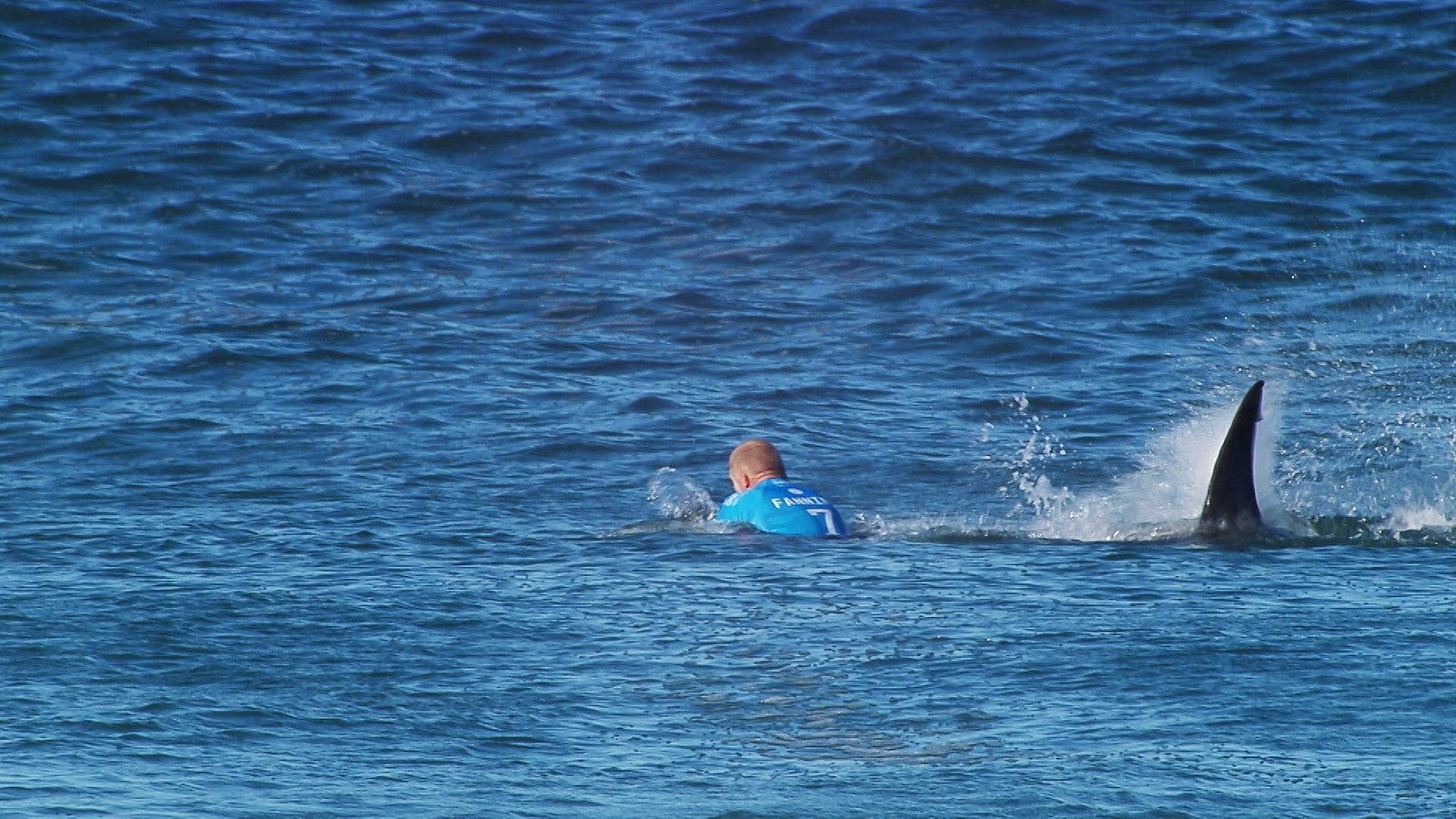
Mick Fanning knows those odds better than most. During the 2015 J-Bay Open final, he was attacked by a shark in front of a live broadcast audience and walked away unharmed, while fellow finalist Julian Wilson paddled toward him to help.
Surfers keep paddling out at Esperance, Ballina, La Jolla, Second Beach and Réunion every day. For nearly all of them, nothing happens at all.