A sweeping new study has revealed that deep-sea mining equipment significantly reduces both animal abundance and biodiversity on the ocean floor—even as researchers catalogued hundreds of species previously unknown to science.
The research, led by scientists from the Natural History Museum of London and the University of Gothenburg, examined the environmental footprint of a remotely operated mining machine in the Clarion-Clipperton Zone, a vast stretch of the Pacific Ocean between Hawaii and Mexico. Operating at depths of approximately 4,000 meters (13,000 feet), the team spent 160 days at sea and five years analyzing data before publishing their findings in Nature Ecology & Evolution.

What the Numbers Show
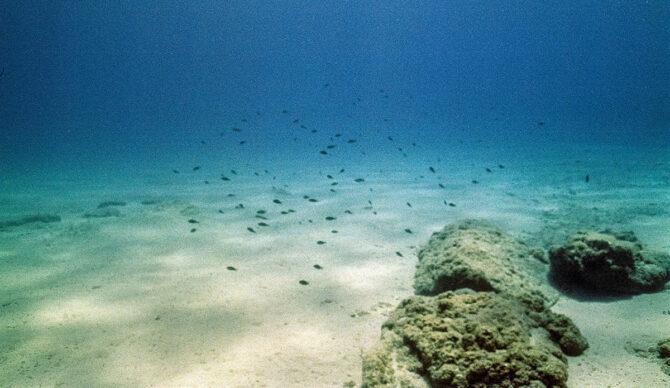
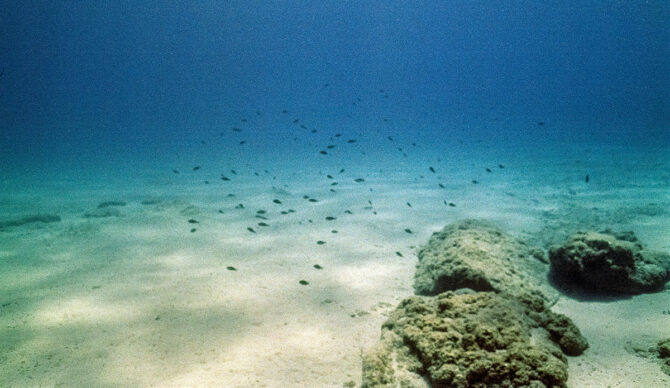
The study—described as the largest of its kind—collected 4,350 animals representing 788 species, many of which were entirely new to science. The key findings paint a stark picture of localized damage:
- 37% reduction in macrofaunal animal abundance (creatures 0.3 mm to 2 cm in size) within mining machine tracks
- 32% decline in biodiversity inside the disturbed tracks
- No measurable reduction in fauna abundance within 400 meters of the machine’s sediment plume
- Newly discovered species included marine bristle worms, crustaceans, and mollusks
The Critical Metals Dilemma
The findings arrive as global demand intensifies for critical metals essential to green energy technologies—metals that exist in significant quantities on the deep-sea floor.
“Critical metals are needed for our green transition, and they are in short supply,” said Thomas Dahlgren, marine biologist at the University of Gothenburg and one of the research leaders. “Several of these metals are found in large quantities on the deep-sea floor, but until now, no one has shown how they can be extracted or what environmental impact this would have.”
The limited sediment plume effects observed within 400 meters may offer some comfort to mining proponents. However, the pronounced declines inside machine tracks demonstrate that direct physical disturbance causes substantial localized harm to benthic ecosystems.
Unknown Unknowns
Perhaps most troubling is how little scientists understand about what lives in these abyssal environments in the first place.
“Currently, we have no idea, for the most part, of what lives in these areas and thus what the risk of biodiversity loss is in the potential mined regions,” said Adrian Glover, senior author from the Natural History Museum of London.
That uncertainty complicates any regulatory framework. How do you protect ecosystems when you’re still discovering what inhabits them?
What Comes Next
The study hands regulators and industry stakeholders hard data to wrestle with as deep-sea mining proposals advance. Outstanding questions remain about long-term ecosystem recovery, cumulative impacts from scaled operations, and whether baseline biodiversity can even be established before extraction begins.
The full study is available at Nature Ecology & Evolution.