

Houses Keep Falling Into the Sea at Cape Hatteras — What Surfers Need to Know
Date: October 19, 2025 — Steepline News
A house along Buxton Beach on Hatteras Island collapsed into the ocean on Saturday, October 18, 2025, at approximately 19:45, a collapse confirmed by the National Park Service (Cape Hatteras) and reported by Fox Weather. The latest loss is part of a steady roll of structures disappearing off the Outer Banks: the National Seashore has recorded 22 house collapses since 2020.
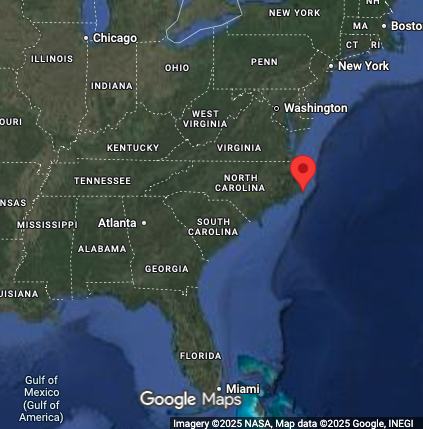
This incident marks the 10th house to fall at Buxton since September 2025 and the 11th on Hatteras Island in the same period, according to multiple local reports. In one particularly dramatic episode in September, five houses collapsed within a single hour on Buxton Beach: an event widely documented by local media and social footage.
The scene and why it matters to surfers
Short version: shoreline is retreating fast, debris and submerged pilings are real hazards, and the classic point breaks around Buxton and Cape Hatteras Point are already being reshaped.
– The NPS is tracking collapses and posting updates and images; use their notices for beach closures and safety alerts. Official NPS announcement and ongoing coverage:
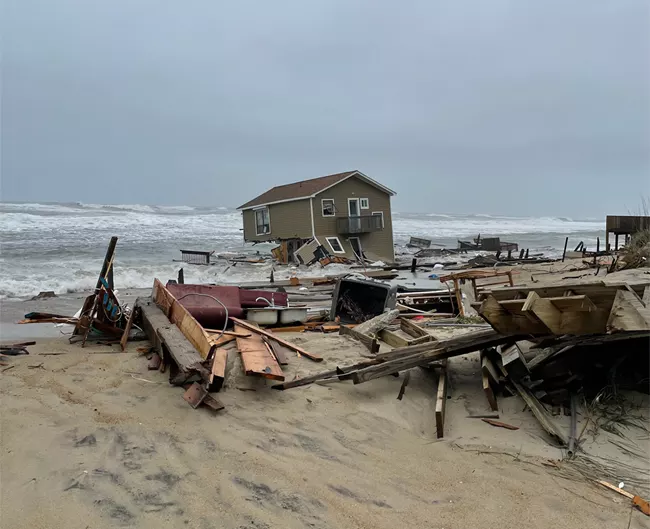
– Drone and user footage has been circulating; they show houses literally sliding off the dune and breaking apart in the surf. These images are useful for assessing how much beach and dune were lost in each event — and for spotting dangerous debris in the water.
Drone/street-level footage (captures from multiple sources):
What to watch for in the lineup
– Floating and submerged debris: decks, pilings and household materials can lurk under waves and at the low-tide line. Treat any post-collapse stretch as hazardous until authorities clear it.
– Changed sandbars and currents: when the shoreline shifts, sandbars reconfigure quickly — expect unfamiliar rips, punchy peaks, or dead zones.
– Local closures: NPS and county officials may close beaches or post warnings. Respect the signs and do not paddle out near active collapse zones.
Practical tips for surfers:
– Give recently collapsed areas a wide berth; surf at official access points that are open and known to be clear.
– Scout from the sand first — look for floating debris and sudden shore breaks.
– If you see submerged pilings or large debris, mark the area (photo + GPS if possible) and report it to NPS or local authorities rather than trying to remove anything yourself.
Community and economic ripple effects
The Outer Banks surf economy: surf schools, rental houses, shops and guide services, depends on predictable coastlines. Rapid erosion and clustered collapses mean sudden loss of rental inventory, potential damage to access points and a tougher season for small surf businesses.
Local residents have expressed shock and frustration over the speed of the losses; for example, a Buxton resident, Jenni Koontz, spoke to Fox Weather about the event (see news coverage links below). For many in the surf community this feels like watching a favorite lineup vanish piece by piece.
Context: storms, sea-level rise and management choices
Coastal scientists and managers point to a mix of factors driving these collapses: stronger storms, higher baseline sea level, and wave attack on undermined dunes. The National Park Service’s documentation shows a steady increase in collapse frequency at Cape Hatteras National Seashore since 2020.
Potential responses range from emergency relocations and dune stabilization to beach nourishment or hard structures, each option brings trade-offs for surf breaks and coastal ecosystems. For surfers, the technical takeaway is that interventions (especially hard structures) can permanently change local wave shapes.
Safety-first closing
If you’re planning a trip to Hatteras: check NPS and local county pages before you go, avoid surfing near active collapse sites, and keep a respectful distance from operations removing debris. The surf will keep changing but lives and gear can be lost in seconds if you ignore the new hazards.
We’ll keep tracking verified reports and surf-focused impacts as the National Seashore updates its collapse log.