Woman swept into ocean at Siletz Bay; body recovered after two-hour search
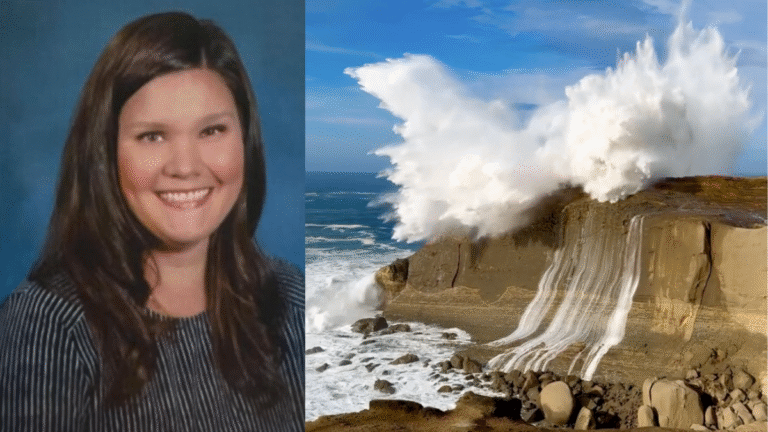
Caroline Moses, 43, died after being swept into the ocean by a large wave at Siletz Bay on the Oregon coast on Sunday, October 20, 2025. Local authorities say she was pulled into the water and lost despite immediate search efforts.
What happened
North Lincoln Fire & Rescue and other first responders were called to Siletz Bay after witnesses reported a person swept into the surf. Crews searched for roughly two hours before recovering Moses’ body about four miles south of the incident site, according to official statements.
Cody Heidt of North Lincoln Fire & Rescue provided updates to media during the response. Authorities treated the event as a tragic sneaker-wave drowning during a period of unusually large tides and surf along the central Oregon coast.
Video showing the conditions
Below is footage from the Tillamook Coast Instagram account that captures the size and power of the waves on the coast around the same time. The clip helps explain how quickly sneaker waves and king-tide conditions can become deadly.
Caption: Credit – Tillamook Coast (Instagram). Video shows massive surf and king-tide conditions on the Oregon coast in October 2025.
Context — sneaker waves and king tides
State and federal agencies had issued warnings for unusually large surf and king tides along the Oregon coast at the time of the incident. Sneaker waves are unusually large, unexpected waves that can surge far up beach faces and tidal areas, knock people off their feet, and sweep them into heavy surf. The National Weather Service and Oregon State Parks regularly warn visitors to stay off rocks and avoid low-lying coastal areas during these events.
Rescue challenges
Rescuing someone swept into surf on the Oregon coast is hazardous: cold water, strong rip currents, and large, unpredictable waves complicate operations. North Lincoln Fire & Rescue and other local agencies responded quickly but faced these exact challenges during the search for Moses.
Craig Anderson: Samudra Spirit Glitters and a quiet, timeless return
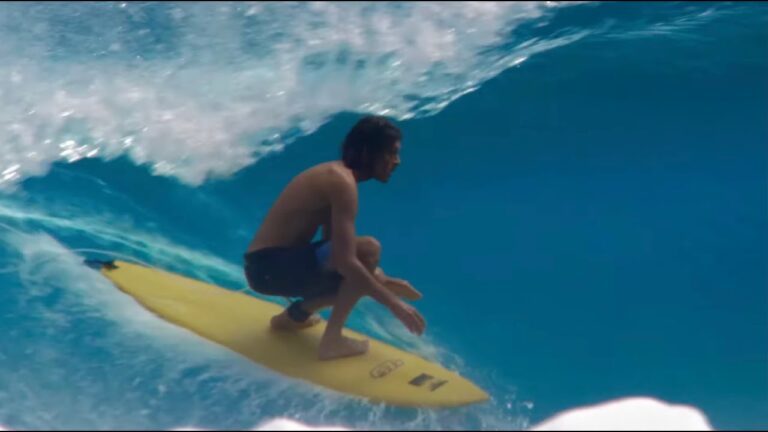
Craig Anderson hasn’t chased headlines for a long time, but his new full-length film Samudra Spirit Glitters quietly reminds the surf world why his approach still matters. Shot in Indonesia and released on Craig’s channel, the edit is less about personality and more about the fundamentals: barrels, wave reading, and the kind of pacing that lets a session breathe.
The film: what to watch for
Samudra Spirit Glitters runs like a classic Craig edit: long takes in barrels, smart positioning, and a low-key celebration of feel over flash. The footage leans heavily on Indo reef barrels — the places where Craig’s timing and calm in the pocket show up best. For anyone chasing technique, study the entries to the pocket and the way he manages speed without over-committing.
Watch the full film (official upload):
Credit: Samudra Spirit Glitters — full film on Craig Anderson’s YouTube channel.
Who’s behind the camera
The edit credits Dave Fox, a director known within surf film circles for work like Motel Hell with Harry Bryant. Fox’s style here favors clean, atmospheric coverage that complements Craig’s understated surfing rather than trying to upstage it. The result feels cohesive — surf footage that breathes.
Context — Craig’s place in the scene
Craig Anderson, born in 1987 and originally from Newcastle, Australia, has built a career on timing and subtlety rather than constant headline-making moves. He left Quiksilver in 2016 and cofounded the brand Former with Dane Reynolds, Austyn Gillette and the late Dylan Rieder a move that reflected a desire for creative control and a different aesthetic in surf lifestyle.
At the same time, Craig has kept productive brand relationships, notably with Haydenshapes, and continues to surface in well-made independent films and brand projects rather than nonstop media churn.
Gear and style notes
The film underscores why Craig remains a reference for tube riding: board choice and wave reading. While the edit doesn’t turn into a gear breakdown, you can pick up recurring silhouettes and paddling/entry patterns that suit critical Indo reef waves, useful watching for surfers who want to translate that pocket awareness to their own local reefs.
Final take
Samudra Spirit Glitters is not a firework show, it’s a measured, expert reminder that great freesurfing often speaks in whispers: precise timing, patience in the shoulder, and an eye for the barrel when it opens. For surfers and film fans who follow Craig’s quieter arc since Former and his ongoing collaborations, the film is a welcome, authentic piece of surf storytelling.
Nusantara: Waveriders of Indonesia — a short film that puts local surfers front and center
Milo Inglis’s short film Nusantara: Waveriders of Indonesia (produced by Drifter Surf) is a compact, cinematic visit to the world’s largest archipelago — not as a postcard for visiting surfers, but as a portrait of the people who live and ride there. The title nods to an old Javanese word meaning “archipelago,” and the film uses that scope to stitch together scenes from Indonesia’s famously perfect reefs and the riders who call them home.
Why this film matters
The movie runs about 27 minutes and features a group of active Indonesian surfers: Arip Mencos, Teddi Kurniadi, Komang Yudha Kopral, Dhea Natasya and Usman Trioko. Rather than centering foreign stars, Nusantara highlights local talent and the coastal communities that shape their surf. For readers who follow the regional surf scene, the film is a focused reminder that the best archive of Indonesian surf stories often lives with local riders and filmmakers.
Watch the full film (official upload):
Credit: NUSANTARA: Waveriders of Indonesia — Full Film (Drifter Surf / Milo Inglis)
The cast and the spots
– Usman Trioko: Widely recognized in coverage and interviews as one of Desert Point’s best barrel riders. Often called the “barrel king” of Desert Point and a local who grew up in the region. – Dhea Natasya: The film’s primary female rider and a visible part of Indonesia’s emerging women’s surf scene. – Arip Mencos, Komang Yudha Kopral, Teddi Kurniadi: Local riders featured throughout the film, representing surf cultures across Lombok, Bali and nearby islands.
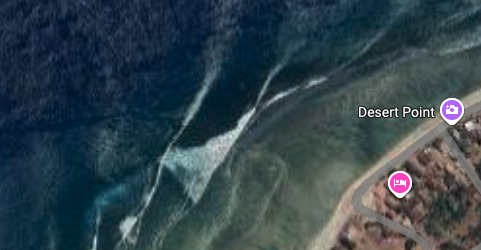
Desert Point (Lombok) appears as one of the film’s visual anchors. The spot is internationally recognized as one of the world’s best left-hand barrels, and footage in the film showcases why that reputation sticks.
Credits: Google maps
Behind the scenes and rider profiles
Drifter Surf’s Instagram contains behind-the-scenes images and short clips from the Nusantara shoot:
“Opening Day” at Pipeline: Surfed-Out Tourists, a Koa Rothman Clip, and a Reminder About How Close the Lineup Comes to Shore
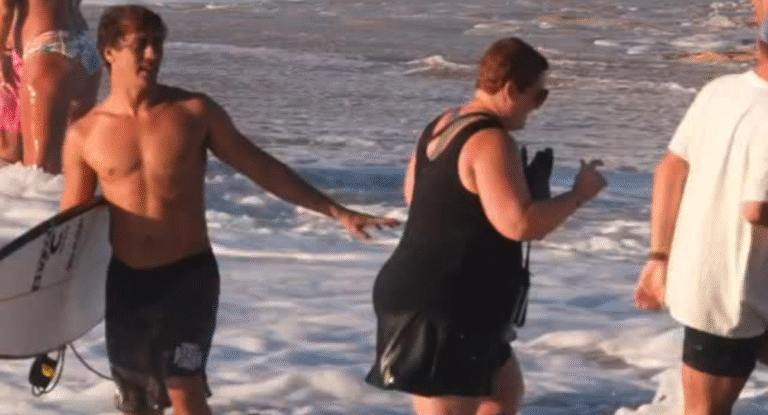
The North Shore opened to a clean, heavy swell in October 2025 — a welcome but dangerous sight for anyone near the sand. Footage circulating from pro surfer Koa Rothman shows the kind of close-quarters chaos that can happen at Pipeline when large sets roll all the way to the beach: tourists caught in the impact zone, surfers and good samaritans scrambling to help, and Ocean Safety teams on alert.
What the clip shows
A short video posted to Koa Rothman’s Instagram appears to capture an incident where non-surfing beachgoers were swept toward the line-up at Pipeline during the season-opening swell. The clip (below) gives a raw sense of how quickly things can go sideways when a shore-breaking reef break is firing and the crowd is densely packed.
Pipeline is a steep, fast reef break that, compared with some other heavy reef breaks around the world, can look and feel dangerously close to shore. That geographic reality, the wave pitching shallow over reef with sets that can retain power all the way to the sand is a consistent observation from surfers and a useful comparison point to places like Teahupo’o, which is famously hollow but sits further from the shore.
That proximity is part of why tourists and casual beachgoers sometimes end up in the impact zone. The research pack notes that Pipeline’s break is “very close to the shore compared to Teahupo’o,” and that incidents involving non-surfers being swept into dangerous water are documented regularly each winter.
Other clips from the same swell
Jamie O’Brien and other local accounts provided footage during the swell, showing large Backdoor bombs and the overall severity of conditions that week.
Jamie O’Brien Instagram footage of big Third Reef sets.
Local outlets and Ocean Safety channels have historically reported increased rescues and warnings during the North Shore winter season. For those checking context and follow-ups on specific incidents (for example, reported rescues at nearby Ke Iki Beach), Hawaii News Now and the City & County of Honolulu Ocean Safety channels are the best places for official updates and rescue reports.
The social-media paradox
Video from pros like Koa Rothman and Jamie O’Brien is invaluable for showing the scale and reality of conditions, but it also acts as a magnet. Dramatic clips drive views and can encourage people to flock to dangerous shorelines, sometimes with little understanding of the local risk. Use the footage to learn, not to test luck.
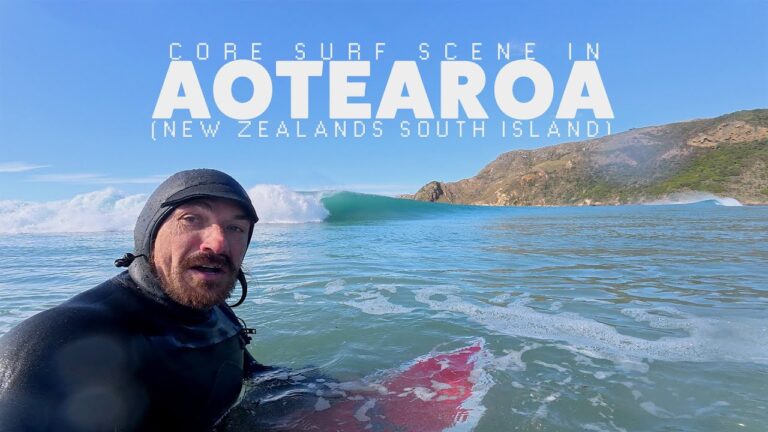
Core Surf Scene in Aotearoa, Dylan Graves’ South Island Trip
Dylan Graves’ recent YouTube edit captures a raw South Island surf trip: cold water, lengthy drives between breaks, a youthful local crew, and close encounters with wildlife. The footage reads like a field guide to surfing New Zealand’s southern edge: cinematic, uncompromising, and grounded in local know-how.
Watch the full edit below, the video is the primary source for this piece.
Video credit: Dylan Graves / YouTube
The trip in brief
The edit shows a compact crew chasing windows of swell along the South Island coastline. Expect the unexpected: water is cold, conditions can flip quickly, and viable breaks are often hours apart. The sense of travel — long drives, scouting, timing tides — is central to the story here.
As seen in the video: – A local guide is shown working with the crew; he’s identified in the footage as Damian “Dooma” Phillips. This identification appears in social clips and tags around the trip but should be independently verified via local profiles/community sources before attribution beyond this report. – A group of younger local surfers ride with the crew, illustrating a strong grassroots surf scene on the island.
Conditions, logistics and what the footage shows
Cold water is a constant in the South Island edits — expect thicker thermal protection and pragmatic planning. The geography means drives between surfable spots can be long; three-hour legs between locations are plausible and visible in the edit’s road sequences.
The film highlights the practical side of Kiwi trips: scouting from the van, quick adjustments when a window opens, and leaning on local knowledge to read fickle South Island breaks.
Wildlife and culture on the shore
The video includes shots of local wildlife — New Zealand sea lions and penguins appear in shore sequences. These encounters are part of the South Island surf experience; the footage underscores the need for respectful distance and responsible behavior around animals.
The edit also nods to Aotearoa’s cultural context. The term “mahi” (work, effort) is used in the video’s cultural framing — a small but meaningful reminder of the Māori language and influence across coastal communities.
Practical takeaways for surfers planning a South Island trip
Plan for cold water: the footage reinforces that thermal protection and packing for chilly conditions are non-negotiable.
Give extra time for travel: scouting and driving are a big part of finding surfable windows.
Respect wildlife and leave space — the video shows close shoreline wildlife; protocol and conservation matter.
Lean on locals: the edit demonstrates how local guides and youth crews unlock quality waves in short windows. If you rely on a named guide, verify identity and credentials via social profiles or local surf organizations before booking.
Read culture: the presence of Māori language and local place-based references in the edit is a reminder to approach surf in Aotearoa with cultural awareness and respect.
Why this edit matters
Beyond surf porn, Dylan Graves’ South Island piece is a snapshot of modern Kiwi surf culture: young locals, raw conditions, and the grind of chasing surf in a remote, wildlife-rich landscape. The edit is useful for anyone planning a trip who wants an honest sense of what surf in the southern reaches of New Zealand feels like.
Jamie Mitchell Injured on North Shore Opening Swell — Instagram Photos Show Significant Facial Wounds
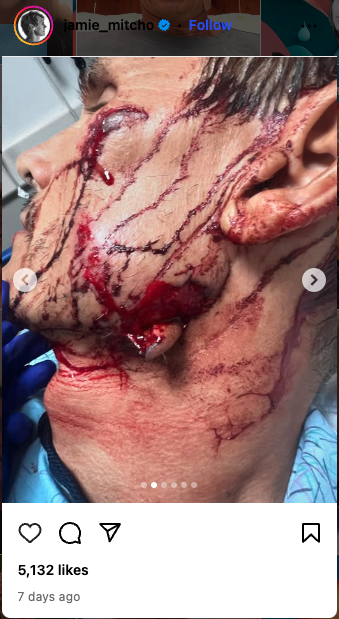
Jamie Mitchell — Australian big-wave rider and North Shore regular — posted graphic photos early October after a wipeout during the season’s first swell. The images, shared on his Instagram, show deep lacerations to his face and throat; in the caption he lists the immediate medical care he received.
What we know
The incident took place on the North Shore during the opening swell of the season (early October 2025), according to Mitchell’s posts and contemporaneous social traffic from the beach.
Mitchell says he required 18 staples and additional sutures: he reports 15 stitches to his throat and five stitches to his cheek/cheekbone area. These injury details come from his Instagram post and photos.
He also states the board involved was a 9’10”, a size commonly used in big-wave work on the Shore.
Jamie posted photos of his wounds and a note about the treatment on his Instagram feed:
Credits: Jamie Mitchell / Instagram
Context and immediate reaction
Mitchell is a veteran big-wave surfer, known for his work on the North Shore and for riding heavy surf. The opening swell of the season brings busy lineups and heavy faces — conditions where long, heavy boards and high speeds increase the chance of traumatic contact between rider and board.
Nearby surfers and watermen in the same timeframe, including posts from other North Shore locals show the swell was firing across the usual spots. John John Florence was also posting from Pipeline that week, giving a sense of the same regional conditions.
John John Florence posting from Pipeline (context for the swell):
Mitchell has also been active promoting his new project, the Living in Liquid podcast, which had Ross Clarke-Jones as an early guest. The podcast’s social account has been part of Mitchell’s recent online activity.
Living in Liquid podcast account:
Credit: Living in Liquid / Apple podcasts
The injuries — what they mean
The images and Mitchell’s account point to multiple facial and throat lacerations. Longboards and “guns” used for big waves pack mass and momentum: when a board impacts a rider it can produce deep cuts or blunt trauma. That aligns with the staples and sutures Mitchell reported.
We’re not naming the treating facility or quoting a medical report, Mitchell’s Instagram is the primary source for the injury description. He has has published an update on his account recently.
Big-wave boards are heavy, keep distance in crowded lineups and consider leash setups and protective gear where appropriate.
If you’re paddling into or near heavy surf, surf with watermen you trust and a clear plan for rescue/aid; rapid on-site assistance matters.
Documenting incidents on social media helps the community understand risks, but official medical details often lag behind the initial posts.
What’s next
Mitchell’s post indicates he’s getting care. There’s no public, detailed timeline for his return to surf but he hopes to get back in the water in a just a few weeks! We’ll follow his social posts and any statements from his team or local authorities and update the story.
If you witnessed the event or have first-hand photos/video that would help clarify the sequence, send them to the Steepline News tips line, but please avoid sharing graphic images without consent.
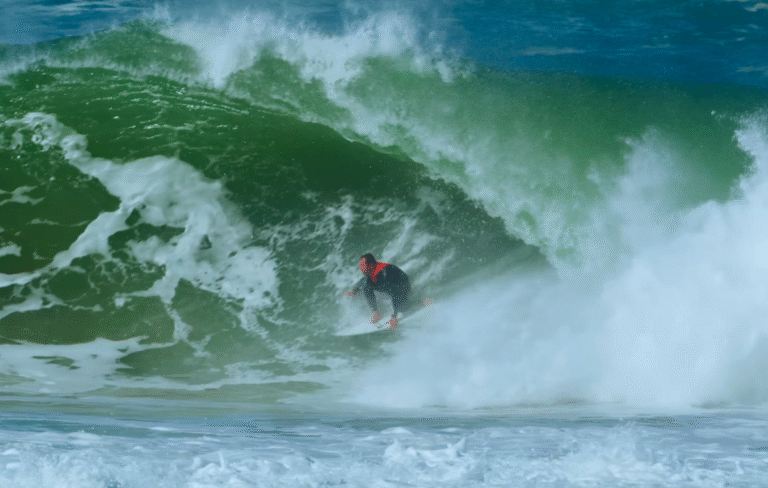
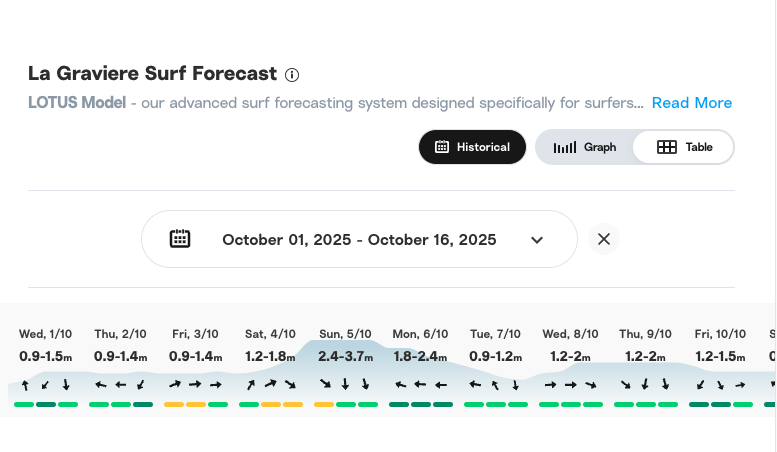
Hossegor lit up in true autumn fashion on October, with beachbreaks producing heavy, photo‑ready barrels across La Gravière and the surrounding points according to multiple social posts and video uploads. Autumn is the stretch when the Atlantic lines up with the sandbars here, and this week’s swell reminded everyone why Hossegor remains one of the world’s benchmark beachbreaks.
Quick take
– Why it mattered: prime autumn swell combined with shaped sandbars = powerful, hollow waves at several spots along the shoreline. – Who should paddle out: experienced surfers comfortable in heavy beachbreaks; stick-and-stay mentality recommended — these waves can close out fast. – Local context: Hossegor’s reputation as an autumn peak is longstanding; this session sits comfortably in that pattern.
Data and forecast sources (check these for specifics)
– Surfline surf report for Hossegor, for swell direction, period and observed heights around the dates in question:
Credits: Surfline.com | Historical datata
Spots and what to expect (insider primer)
La Gravière: the heavy, hollow beachbreak that produces most of the barrels seen in big autumn swells. Not beginner‑friendly.
La Nord & Les Culs Nus: can light up under the same swell but read the sandbars first, peaks shift during strong swells.
Estagnots: typically mellower when sand builds, but in a large October swell it can close out quickly.
Practical tips: always check local forecasts and cams before driving out; respect local lineups; use a leash rated for powerful beachbreaks; consider a spotter on shore if conditions are heavy.
Final line
Hossegor’s October rhythm showed up again: heavy, hollow and photo‑friendly, a reminder why autumn remains the season everyone watches. If you plan to chase it, do your homework on forecasts and respect the lineup.
Pascuales Double-Barrel: Noah Beschen and Eimeo Czermak in Ultra Slow-Mo
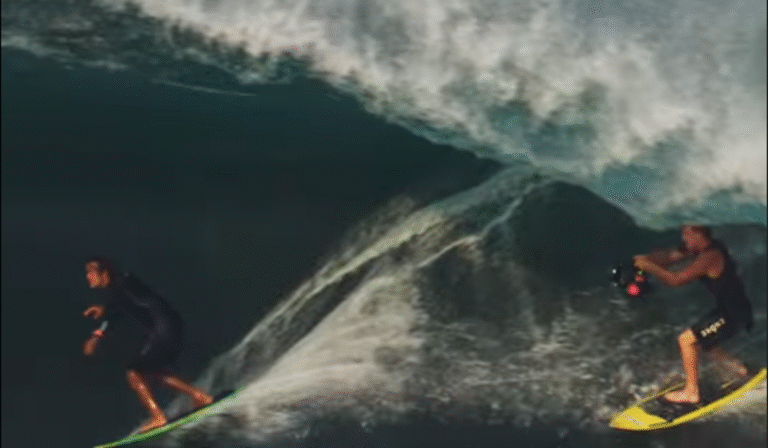
Noah Beschen’s latest footage from Pascuales is the kind of surf clip that lives somewhere between pure spectacle and a careful exercise in trust. Beschen and Eimeo Czermak link up for a double-barrel run that looks—on first watch—dangerous, cinematic, and borderline impossible to time.
The session was captured on a high-speed Phantom-class camera capable of 4K at roughly 800 fps, the kind of kit that has become a specialty tool in surf cinematography. There’s a small price-note to flag: the camera is referenced at $18,000! Either way, we’re talking Phantom-level hardware, not a consumer rig.
Why Pascuales? The Mexican point has a long-reputation as a hollow, fast, right-hand wave that rewards precision. Compared to Pipeline, Pascuales gives photographers and filmmakers room to stage bigger pushes and repeated takes — which is exactly what a slow-motion experiment needs: repeatable sections and predictable peaks.
The footage reads like a study in timing: two surfers staggered inside the same tube, one slightly ahead to take the lip while the second threads the exit—an old-school double-barrel aesthetic updated with 800 fps detail. The slow-motion pullbacks show lip geometry and face compression in a way normal-speed footage simply can’t.
A quick note on safety and context: Eimeo Czermak is no stranger to heavy waves, he suffered a serious back injury at Pipeline earlier in the year… That history adds weight to watching him in a close-quarters scenario like this.
2024 Eimo Czermak injury at Pipeline during Pipe Masters Event
Historical frame of reference
Double-barrels have a lineage in surf lore. The most-cited early example is Mark Richards and Shaun Tomson’s Off The Wall pairing from 1976—textbook cinematic double-barrel territory. More recently, big-wave tow sessions like Nathan Florence and Kai Lenny’s Jaws double-barrel in 2019 show how the concept has migrated into tow-in and big-wave environments. On the performance- and editing-side, contemporary teams (Jack Robinson & John John Florence at The Box, among others) keep refining the visual vocabulary.
Watch: Mark Richards & Shaun Tomson — Off The Wall (1976)
Historical reference — classic double-barrel pairing. Credit: YouTube archival video
Recent big-wave double-barrel example. Credit: Red Bull x Kai Lenny & Nathan Florence
Behind the camera
Beschen’s Instagram and Eimeo’s posts offer behind-the-scenes glimpses: rigs, framing rehearsals, and the slow-motion playback that helps the team pick the best timing. These posts don’t lay out every technical detail, but they show the practical side of mounting and testing a high-speed camera in the surf environment.
Two things stand out. First, the accessibility of high-frame-rate storytelling is changing what surfers and filmmakers try to capture: micro-details (lip flex, face deformation, spray) become narrative elements. Second, pieces like this show the trade-off between expensive kit and creative payoff. A Phantom-class camera is a real investment, and slow-motion sequences like Beschen’s are the kind of content that can justify that price if they land with editors, brands, or a large YouTube audience.
Final frame
Beschen and Czermak’s Pascuales clip is more than a flex of tech; it’s a measured nod to a long surf tradition. The double-barrel is an old stunt that still looks fresh when delivered thoughtfully—especially when you can slow it down to study the moment where risk and beauty meet.
Houses Keep Falling Into the Sea at Cape Hatteras — What Surfers Need to Know
Date: October 19, 2025 — Steepline News
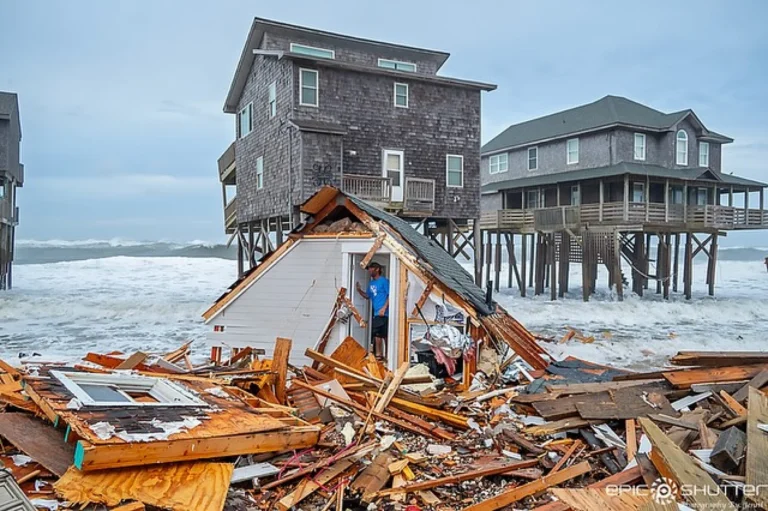
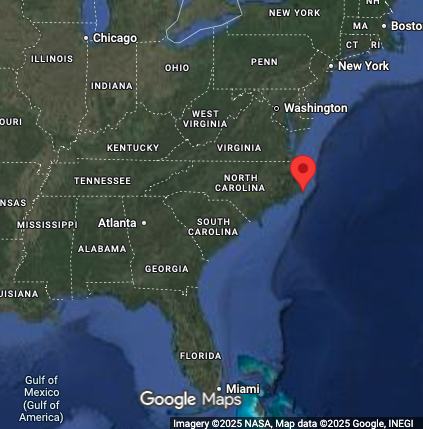
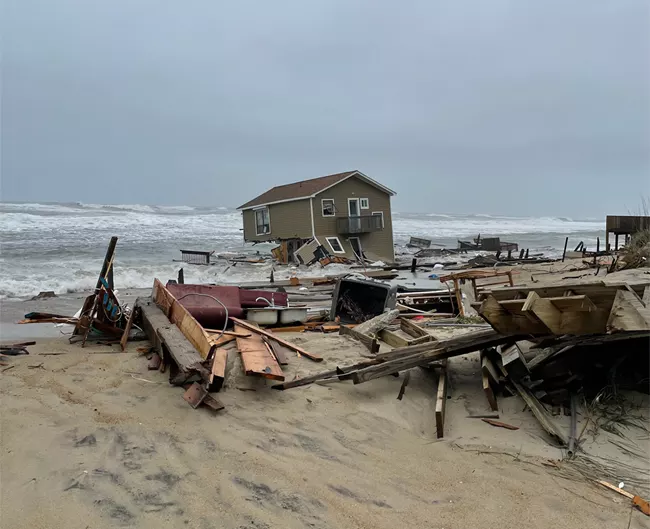
A house along Buxton Beach on Hatteras Island collapsed into the ocean on Saturday, October 18, 2025, at approximately 19:45, a collapse confirmed by the National Park Service (Cape Hatteras) and reported by Fox Weather. The latest loss is part of a steady roll of structures disappearing off the Outer Banks: the National Seashore has recorded 22 house collapses since 2020.
This incident marks the 10th house to fall at Buxton since September 2025 and the 11th on Hatteras Island in the same period, according to multiple local reports. In one particularly dramatic episode in September, five houses collapsed within a single hour on Buxton Beach: an event widely documented by local media and social footage.
The scene and why it matters to surfers
Short version: shoreline is retreating fast, debris and submerged pilings are real hazards, and the classic point breaks around Buxton and Cape Hatteras Point are already being reshaped.
– The NPS is tracking collapses and posting updates and images; use their notices for beach closures and safety alerts. Official NPS announcement and ongoing coverage:
Copyrights: NPS
– Drone and user footage has been circulating; they show houses literally sliding off the dune and breaking apart in the surf. These images are useful for assessing how much beach and dune were lost in each event — and for spotting dangerous debris in the water.
Drone/street-level footage (captures from multiple sources):
– Floating and submerged debris: decks, pilings and household materials can lurk under waves and at the low-tide line. Treat any post-collapse stretch as hazardous until authorities clear it.
– Changed sandbars and currents: when the shoreline shifts, sandbars reconfigure quickly — expect unfamiliar rips, punchy peaks, or dead zones.
– Local closures: NPS and county officials may close beaches or post warnings. Respect the signs and do not paddle out near active collapse zones.
Practical tips for surfers:
– Give recently collapsed areas a wide berth; surf at official access points that are open and known to be clear. – Scout from the sand first — look for floating debris and sudden shore breaks. – If you see submerged pilings or large debris, mark the area (photo + GPS if possible) and report it to NPS or local authorities rather than trying to remove anything yourself.
Community and economic ripple effects
The Outer Banks surf economy: surf schools, rental houses, shops and guide services, depends on predictable coastlines. Rapid erosion and clustered collapses mean sudden loss of rental inventory, potential damage to access points and a tougher season for small surf businesses.
Local residents have expressed shock and frustration over the speed of the losses; for example, a Buxton resident, Jenni Koontz, spoke to Fox Weather about the event (see news coverage links below). For many in the surf community this feels like watching a favorite lineup vanish piece by piece.
Context: storms, sea-level rise and management choices
Coastal scientists and managers point to a mix of factors driving these collapses: stronger storms, higher baseline sea level, and wave attack on undermined dunes. The National Park Service’s documentation shows a steady increase in collapse frequency at Cape Hatteras National Seashore since 2020.
Potential responses range from emergency relocations and dune stabilization to beach nourishment or hard structures, each option brings trade-offs for surf breaks and coastal ecosystems. For surfers, the technical takeaway is that interventions (especially hard structures) can permanently change local wave shapes.
Safety-first closing
If you’re planning a trip to Hatteras: check NPS and local county pages before you go, avoid surfing near active collapse sites, and keep a respectful distance from operations removing debris. The surf will keep changing but lives and gear can be lost in seconds if you ignore the new hazards.
We’ll keep tracking verified reports and surf-focused impacts as the National Seashore updates its collapse log.
From Space to Surf: Satellites Confirm the Power Behind December’s Monster Swells at Waimea and Maverick’s
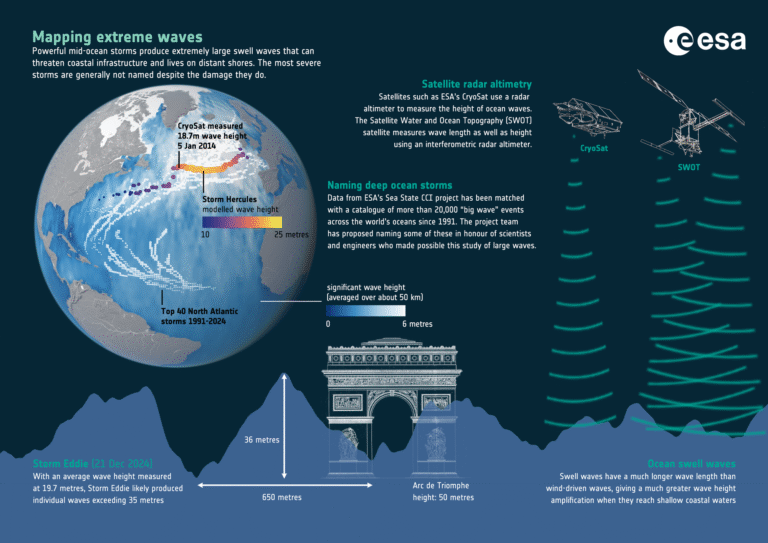
Satellite data from ESA’s Climate Change Initiative and the French–US SWOT mission have revealed the true scale of December 2024’s extreme storm energy, the same system that sent XXL surf to Waimea Bay for The Eddie and detonated Maverick’s the next day. What satellites measured from orbit, surfers felt on the reef: a two-day pulse that redrew both science charts and big-wave history.
New satellite observations have recorded ocean wave heights of almost 20 metres – the highest measurement obtained by satellite altimetry since 1991 🌊
The findings have been validated using the Sea State dataset from ESA’s Climate Change Initiative. They reveal that long ocean… pic.twitter.com/C81GeOtaM4
2024 December 22 — Eddie Aikau at Waimea Bay: event confirmed and widely covered; Landon McNamara declared the winner (World Surf League coverage).
2024 December 23 — Maverick’s session: Alo Slebir rode a massive, widely shared wave at Maverick’s. The wave has been reported at 76 feet in some outlets, though that measurement is disputed by observers and analysts.
Video & first-hand footage
Watch: MASSIVE WAIMEA BAY | 2024 EDDIE AIKAU
Watch: Alo Slebir — Maverick’s, December 23, 2024
The numbers — claimed, contested, and the world record
Some outlets reported a 76-foot measurement for Slebir’s Maverick’s wave. That figure has been circulated widely in social and video captions but faces scrutiny from independent measurers and observers.
Why caution is needed: measuring wave height from photos and video is fraught: camera angles, lens compression, tow positions and lack of standardized ground truth make single-source estimates unreliable. That’s why the surf community often debates large-wave claims until multiple independent measurements align.
Satellite tools and the measurement conversation
New satellite tools are changing the conversation about extreme waves. The SWOT (Surface Water and Ocean Topography) mission — a NASA/CNES project launched in December 2022 with ESA participation — provides novel, wide-area measurements of sea-surface features that researchers are now applying to storm-wave analysis.
A number of analyses circulating in the science and media sphere have used early satellite-derived estimates to describe very large storm waves (some reports cite average storm-wave heights around 19.7 m and peak values above 35 m). These satellite-derived numbers are promising for contextualizing extreme events, but they still require careful peer-reviewed validation and cross-checks with in-situ data and established measurement methods before being treated as definitive.
Experts in oceanography including researchers such as Dr. Fabrice Ardhuin, who works on ocean wave dynamics and remote sensing, provide important context when satellite estimates are discussed. Their work helps explain how satellite footprints, temporal sampling and algorithms can bias or refine height estimates.
The surf take: what this means for riders and fans
– For riders: these were not waves to casually test limits. Heavy swell, shifting currents and local bathymetry make Waimea and Maverick’s unforgiving. If you’re not in a rescue-ready crew with experienced jet-ski pilots and water patrol, you don’t go. – For event organizers and water-safety teams: satellite data and rapid video analysis offer new tools for post-session verification and for building more robust safety protocols around forecasted extremes. – For fans and content creators: judge big-wave claims cautiously. A sensational frame or a dramatic edit can easily overstate raw size.
Open questions and the controversy to watch
– Measurement dispute: The 76-foot claim for Slebir’s wave is notable and should be treated as provisional until independent, documented measurements are published. – Satellite validation: early SWOT-based figures are headline-grabbing, but the community should wait for peer-reviewed confirmations from ESA/NASA or academic journals to fold those numbers into the official record.
Bottom line
December’s late-season storm gave big-wave surf two headline moments: a contest held and won at Waimea, and a Maverick’s candidate for one of the year’s biggest rides. Both matters are now part of the conversation about how we measure, verify and celebrate extreme surfing — and both underscore that claims about size belong to the community until science, sober measurement and independent verification agree.